The $5 Argument I Still Think About
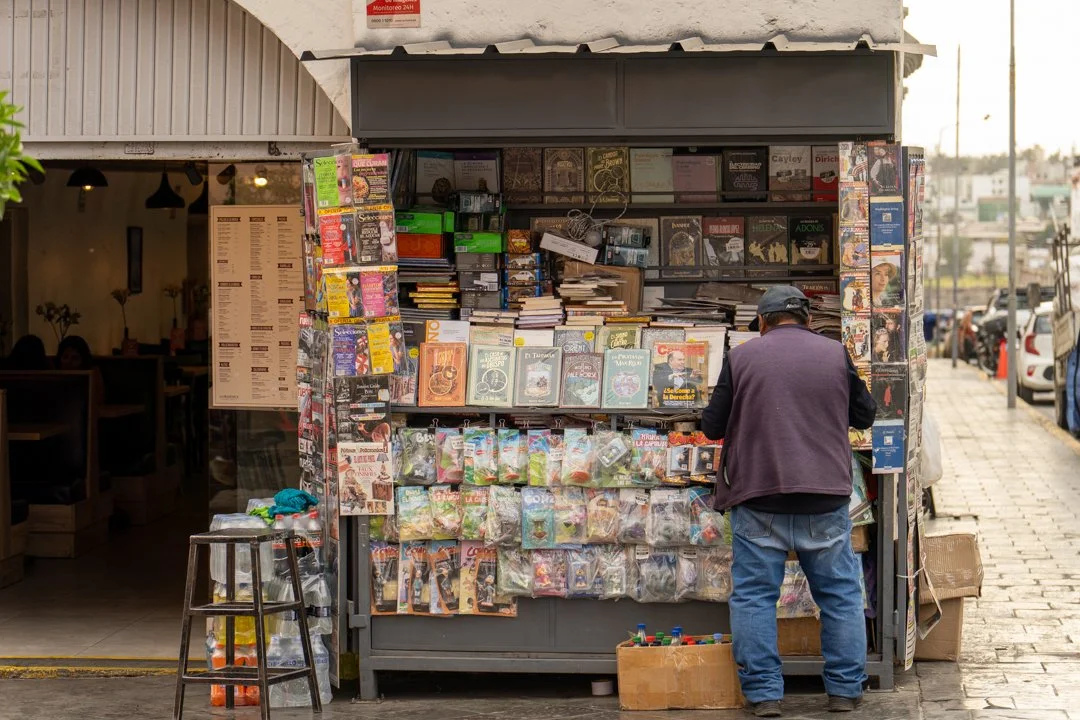
Street vendor in Arequipa, Peru
“The important things in life you cannot see with your eyes, only with your heart.” — The Little Prince
The $5 Argument
The argument lasted nearly thirty minutes.
At 7 am in Vang Vieng, Laos, a tourist stood in the street arguing with a tuk-tuk driver over $5. The driver kept changing the price. The tourist wanted the original price and refused to budge. Other drivers chimed in. Google translate was typed into furiously. Back and forth like a game of ping-pong with a question as to who would be the victor, while a few of us stood by waiting for the situation to end.
Eventually the driver gave in, but both walked away looking exhausted. I stood there wondering how we had ended up arguing for 30 minutes over $5 and was it actually worth it?
If I’m being honest, I understand the tourist’s instinct. When we travel, we want things to feel fair. We want to avoid being taken advantage of. No one likes feeling like they’re paying the “tourist price.” Of course, after traveling for almost a year, I’ve had those thoughts often and also don’t want to feel ripped off for being a visitor.
But that moment has stayed with me throughout my time in Southeast Asia. Because the more I see, hear, and observe, the more I find myself thinking about travel expectations, privilege, and how we show up in places different from where we come from.
Travel exposes some of the best parts of the world—but it can also exposes some of the worst. And sometimes the uncomfortable moments are the ones that stay with you the longest.
What follows are a few reflections and personal thoughts (okay, perhaps rants) that I haven’t been able to stop thinking about.
Travel is inviting for so many reasons—the pull of beautiful places, incredible food, captivating nature, or let’s be honest, the photos. But the greatest gift travel can offer isn’t what ends up on your camera roll. It’s the personal growth that happens when you intentionally step outside your comfort zone. That might look like visiting less-traveled countries, leaving the touristy parts of town (RIP all-inclusive resorts) or taking public transit instead of Ubers.
It requires us to face our fears about places that look different from what we’re used to and to embrace the unfamiliar.
Traveling Is a Privilege
I recently learned that around 21% of the world’s population has never left their home country, and in some places the number is much higher. In countries like India, for example, it’s estimated to be as high as 95% (Pew Research Center, 2023).
That statistic surprised me. (You can read more from that report here).
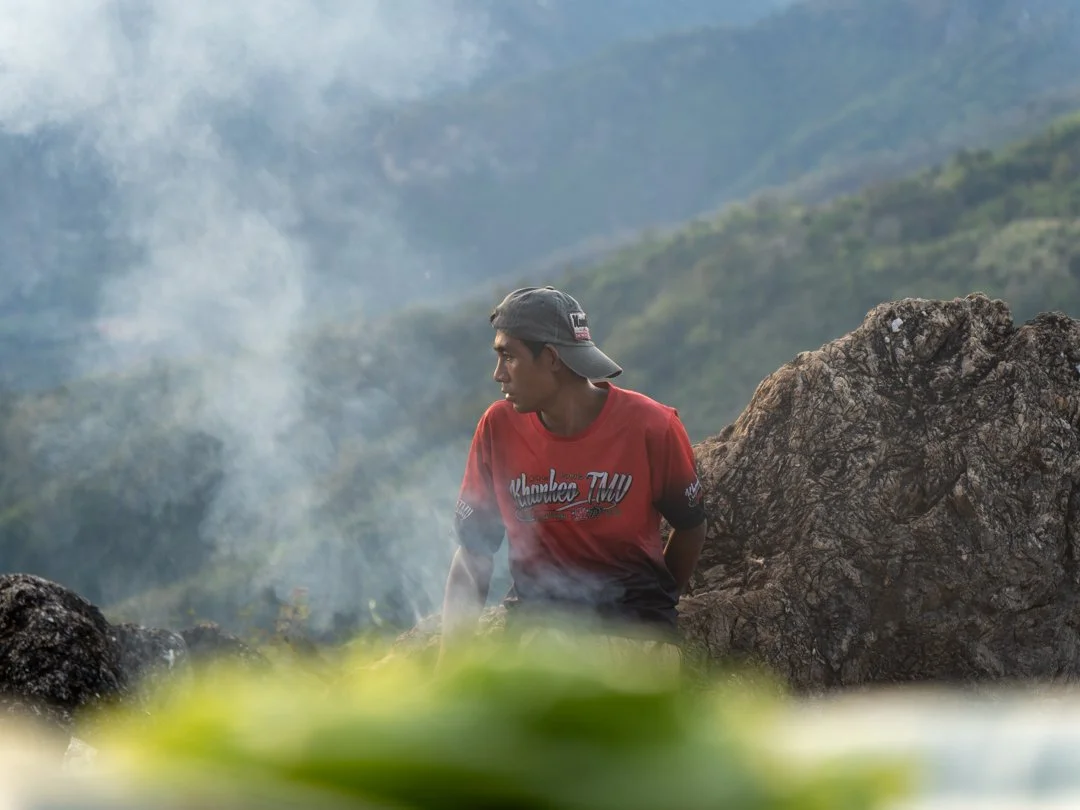
Local tour guide in Nong Khiaw, Laos
It made me think about all the places I’ve visited and the people I’ve encountered along the way. How many of the people who served me food, drove my taxi, or checked me into my hotel have ever experienced a country different than their own? How many have taken a vacation in the past two years?
For many, the answer is likely not many—or maybe never. Yet there they are, welcoming you into their country.
It’s worth remembering this the next time there is an unexpected hiccup while traveling. Interacting with those from other countries and learning about another culture in person is a privilege.
Travel Isn’t Supposed to Feel Like Home
In Laos, I saw many travelers expecting the same service and efficiency they have back home—but that misses the point. Travel isn’t about recreating home; it’s about experiencing a different way of life. The reality is home should not follow us when we travel and we should expect countries to operate differently.
Delays, confusion, or slower service aren’t always bad —they’re often part of the experience or local culture. Instead of reacting with frustration (or yelling…), it helps to respond with curiosity and patience.
Kindness is universal. While we can be frustrated and irritated, remember that a smile, patience, and a sense of humor go a long way.
Kindness crosses borders—and people remember it.
The Reality of $5
That argument over $5 wasn’t the only moment that made me pause. Travel has a way of revealing how quickly people get upset over small amounts of money.
Now, I recognize we work hard for our money and vacations are a precious time; we want it to go smoothly. However, expectations should match the destination. Lower cost places often come with different standards. If comfort matters, pay for it. Know yourself, what you’re looking for, and make decisions accordingly.
And remember: a small amount to you might matter far more to someone else. That doesn’t mean tolerating dishonesty or scams—but it does mean choosing your battles and, when possible, acting with generosity, not demands.
The reality is that travel exposes inequality and privilege. While scams and dishonesty exist, they’re often tied to difficult circumstances.
I grew up with a lot of privilege. Because of that, I can’t pretend to fully understand what it’s like to live each day just to survive. All I can do is acknowledge this reality and do my best to respond with empathy rather than anger.
Doing Our Small Part
Travel reminds us that most people want the same basic things: health, safety, and the chance to live a decent life with those we care about.
When we can make someone’s day a little easier—through patience, kindness, or generosity—we should.
I still think about that argument over $5.
Travel shows us the world, but it also reveals how we choose to move through it. And the simple fact that we have the choice to travel at all is a privilege.
